
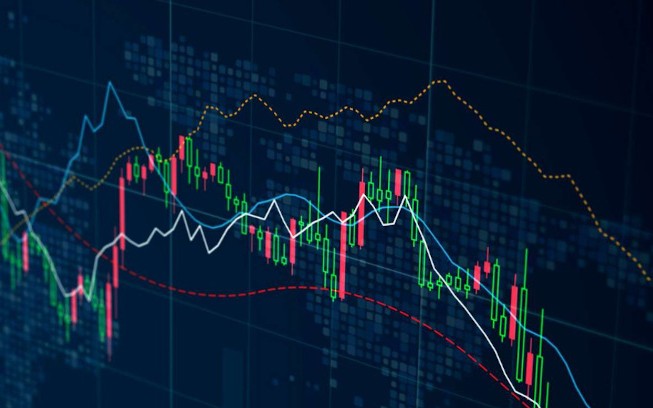
The emergence of forex trading robots Saudi Arabia Brokers has significantly influenced the forex trading landscape. In recent years, technology has played a crucial role in shaping how traders approach the foreign exchange market. Among various technological advancements, forex trading robots—also known as Expert Advisors (EAs)—have gained immense popularity. This article delves into what forex trading robots are, how they function, the benefits of using them, and considerations every trader should keep in mind.
What Are Forex Trading Robots?
Forex trading robots are automated software programs that facilitate trading decisions in the forex market. They are designed to analyze market conditions, execute trades, and manage positions automatically based on predefined algorithms and trading strategies. By integrating complex mathematical models, these robots can process vast amounts of data in real-time, enabling traders to capitalize on market movements without manual intervention.
How Do Forex Trading Robots Work?
Forex robots operate on a set of rules developed by the trading strategy’s creator. These rules dictate when to enter and exit trades based on specific market conditions, indicators, and price movements. The main components of a forex trading robot include:
- Algorithm: The core of a forex robot that defines its trading strategy.
- Indicators: Technical indicators such as Moving Averages, RSI, MACD, etc., that assist in analyzing market conditions.
- Broker Compatibility: The robot must be compatible with the broker’s trading platform (most commonly MetaTrader 4 or 5).
Benefits of Using Forex Trading Robots
There are several advantages to using forex trading robots, including:
1. Emotionless Trading
One of the most significant benefits of using a trading robot is the elimination of emotional biases. Human traders often make impulsive decisions driven by fear or greed, which can negatively affect trading outcomes. Robots operate solely on data and predefined algorithms, ensuring consistent trading strategies without emotional interference.
2. 24/7 Market Monitoring
Forex markets operate 24 hours a day, offering numerous trading opportunities. However, it’s impossible for a human trader to monitor the market continuously. Trading robots can observe market conditions and execute trades at any time, providing an advantage by capitalizing on opportunities that a trader might miss.
3. Backtesting Capabilities
Forex trading robots allow traders to backtest their strategies using historical data. This process helps them understand how a strategy would have performed in the past, providing insights into its potential efficacy in real-time trading.
4. Increased Efficiency
Robots can process and analyze data significantly faster than a human. This efficiency enables them to identify profitable trading signals in real-time, thereby enhancing the chances of successful trades.
5. Diversification of Trading
Using multiple trading robots simultaneously enables traders to diversify their strategies across different currency pairs. This diversification reduces risk by spreading investments across various assets.
Limitations of Forex Trading Robots
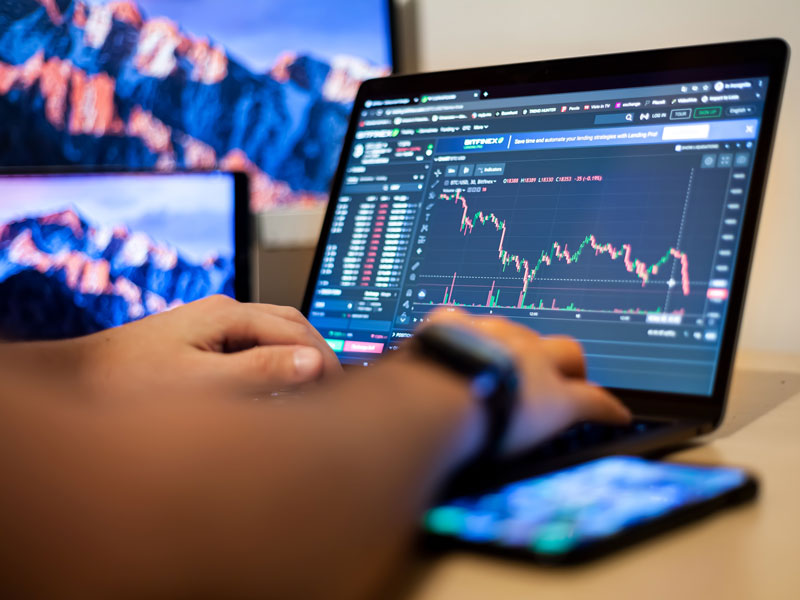
Despite their advantages, forex trading robots are not infallible. Here are some limitations to consider:
1. Market Conditions Change
Forex robots are programmed based on historical data and specific market conditions. When the market experiences unforeseen volatility or changes in dynamics, a robot’s algorithm may not adapt effectively, leading to losses.
2. Over-Optimization
Traders may fall into the trap of over-optimizing their robots for past performance, which can lead to poor results in live trading. A strategy that worked well in the past may not necessarily yield the same results in the future.
3. Dependence on Technology
Technical glitches, internet connection issues, and software bugs can disrupt the performance of a trading robot. Traders must remain vigilant and ensure their robots function correctly.
4. Required Knowledge and Skills
While forex trading robots simplify the process, they still require a basic understanding of trading principles and strategy development. Traders must possess knowledge on how to select, implement, and manage their forex robots.
Choosing the Right Forex Trading Robot
Choosing the appropriate forex trading robot can significantly impact trading success. Here are some factors to consider when selecting a forex trading robot:
- Transparency: Look for robots that provide clear performance records and detailed information about their trading strategies.
- Reputation: Research the developers and read reviews from other traders to gauge the robot’s reliability and effectiveness.
- Compatibility: Ensure the trading robot is compatible with your chosen trading platform.
- Support: Opt for robots that offer customer support, including documentation, updates, and troubleshooting assistance.
The Future of Forex Trading Robots
As technology continues to advance, the future of forex trading robots looks promising. Developments in artificial intelligence and machine learning are creating more sophisticated algorithms that can adapt to changing market conditions. Automation is set to become even more integral to forex trading strategies, empowering traders to achieve better results with less manual effort.
Conclusion
Forex trading robots offer innovative solutions for traders looking to gain an edge in the highly competitive forex market. While they come with both advantages and disadvantages, the potential for enhanced efficiency, emotional discipline, and increased trading opportunities makes them an attractive option for many traders. By understanding their capabilities, limitations, and the factors to consider when choosing a robot, traders can make informed decisions that align with their trading goals.